

NSW HSIE curriculum alignment
This page outlines how the Elizabeth Farm virtual site study aligns with the NSW HSIE K–6 Syllabus (2024) for Stage 2 (Years 3–4).
It identifies relevant syllabus outcomes, historical inquiry skills, learning intentions and cross-curricular connections. These links demonstrate how the site study supports meaningful History learning through the investigation of colonial Australia.
NESA Stage 2 syllabus outcomes and inquiry focus
NESA Stage 2 Syllabus Outcomes and Inquiry Focus
Primary syllabus outcomes
HS2-HIS-01: Explains how people lived in the past, how navigation connected the world, and what life was like in the Sydney Cove penal, using sources as evidence (NESA, 2024)
HS2-ACH-01: Describes Aboriginal Peoples’ obligations to Country, Culture and Community (NESA, 2024)
Key inquiry question: What was life like for different people living and working at Elizabeth Farm in colonial Australia?
Learning intentions: Students will investigate historical evidence to understand differences in daily life between the Macarthur family, convict workers and servants, while exploring Dharug connections to Country.
Success criteria: Students can identify historical clues, compare different experiences of colonial life and explain their findings using evidence.
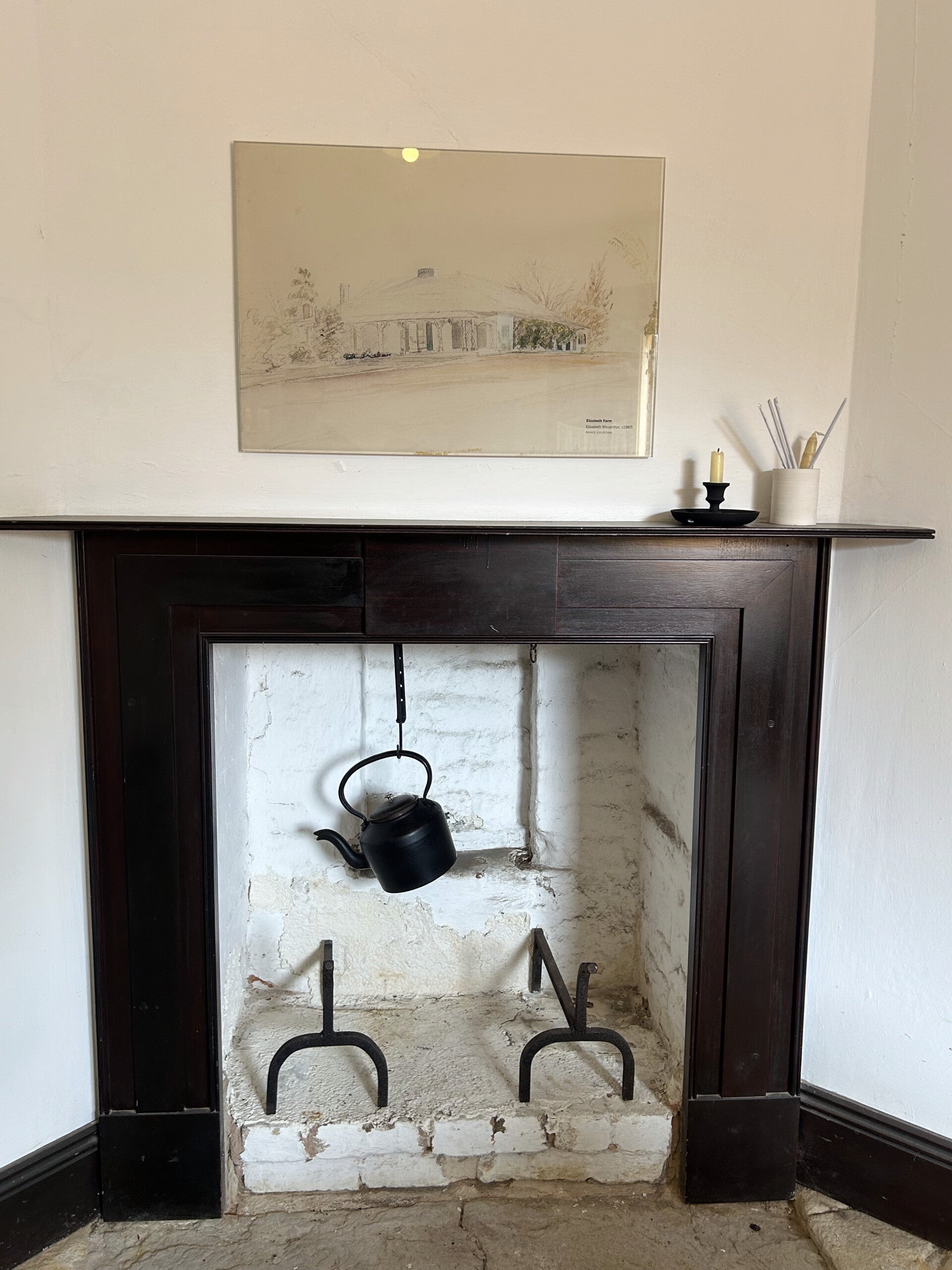
Figure 13. Original Photograph taken by author (2026)
Stage 2 historical concepts and inquiry skills
Stage 2 Historical Concepts and Inquiry Skills
Key Historical Concepts
Evidence: Students investigate photographs, historical objects, buildings and written records to understand life at Elizabeth Farm.
Perspectives: Students compare the experiences of the Macarthur family, convict workers and servants, while considering Dharug people’s connection to Country and the impacts of colonisation.
Continuity and Change: Students identify similarities and differences between life at Elizabeth Farm in colonial times and the present day.
Cause and Effect: Students explore how British colonisation changed land use and affected Aboriginal communities.
Historical Inquiry Skills
Students develop their ability to:
Ask questions about the past.
Observe and interpret historical sources.
Distinguish between primary and secondary sources.
Sequence historical events.
Compare different perspectives.
Communicate historical findings using evidence.
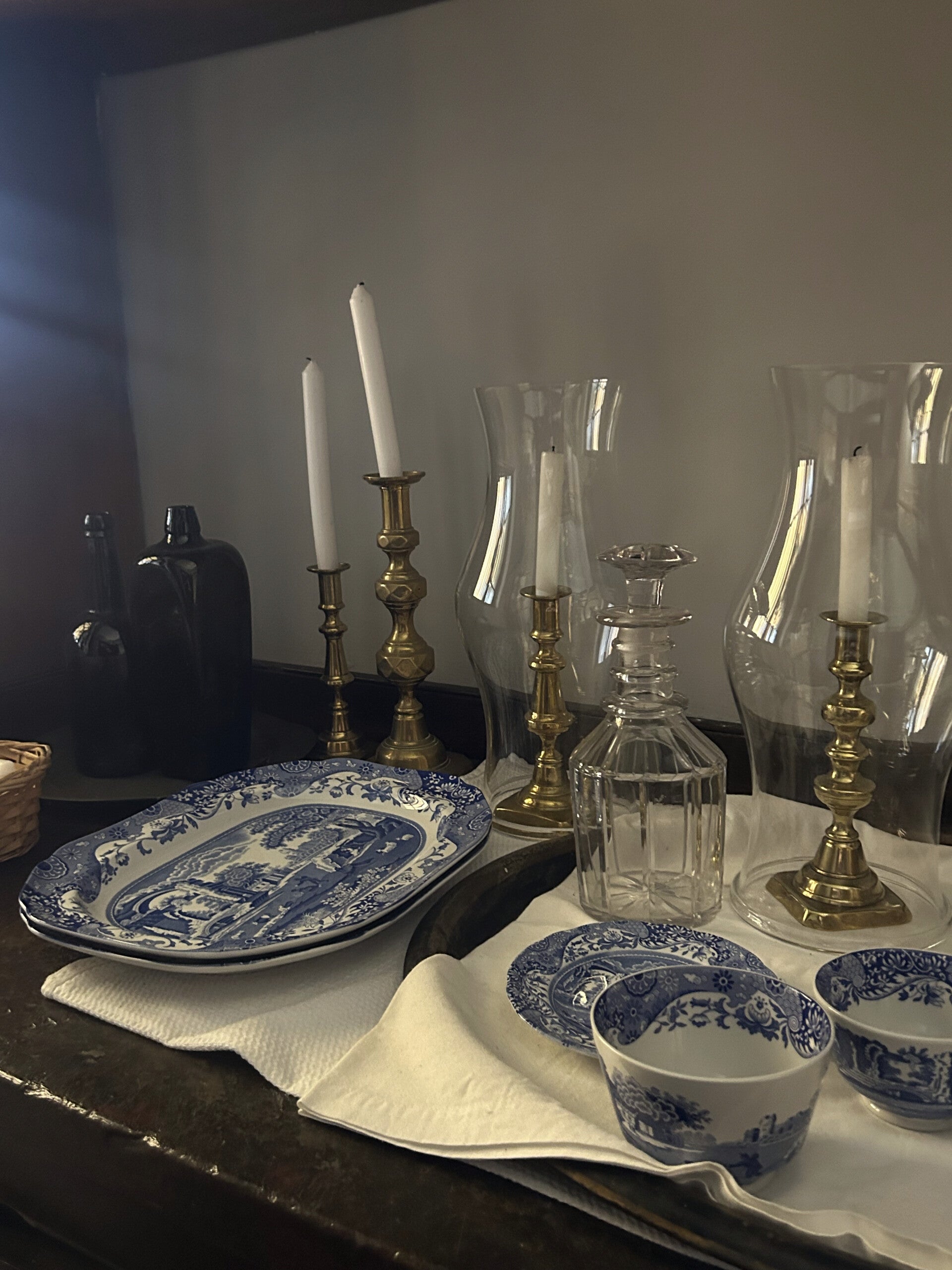
Figure 14. Original photograph taken by author (2026)
General capabilities and cross-curriculum priorities
Cross-Curriculum Priority
Aboriginal and Torres Strait Islander Histories and Cultures: Students respectfully explore Dharug people’s longstanding connection to Country and investigate how British colonisation affected Aboriginal communities in the Parramatta area.
General Capabilities
Literacy: Students develop historical vocabulary, interpret sources and communicate their understanding using evidence.
Numeracy: Students use historical dates and chronological sequencing to understand changes over time.
Digital Literacy (ICT): Students explore the interactive 360° tour and investigate digital photographs of Elizabeth Farm.
Critical and Creative Thinking: Students question historical evidence, compare different perspectives and consider whose experiences are represented or missing.
These connections support historical inquiry and encourage students to develop a deeper understanding of Australia’s colonial past.
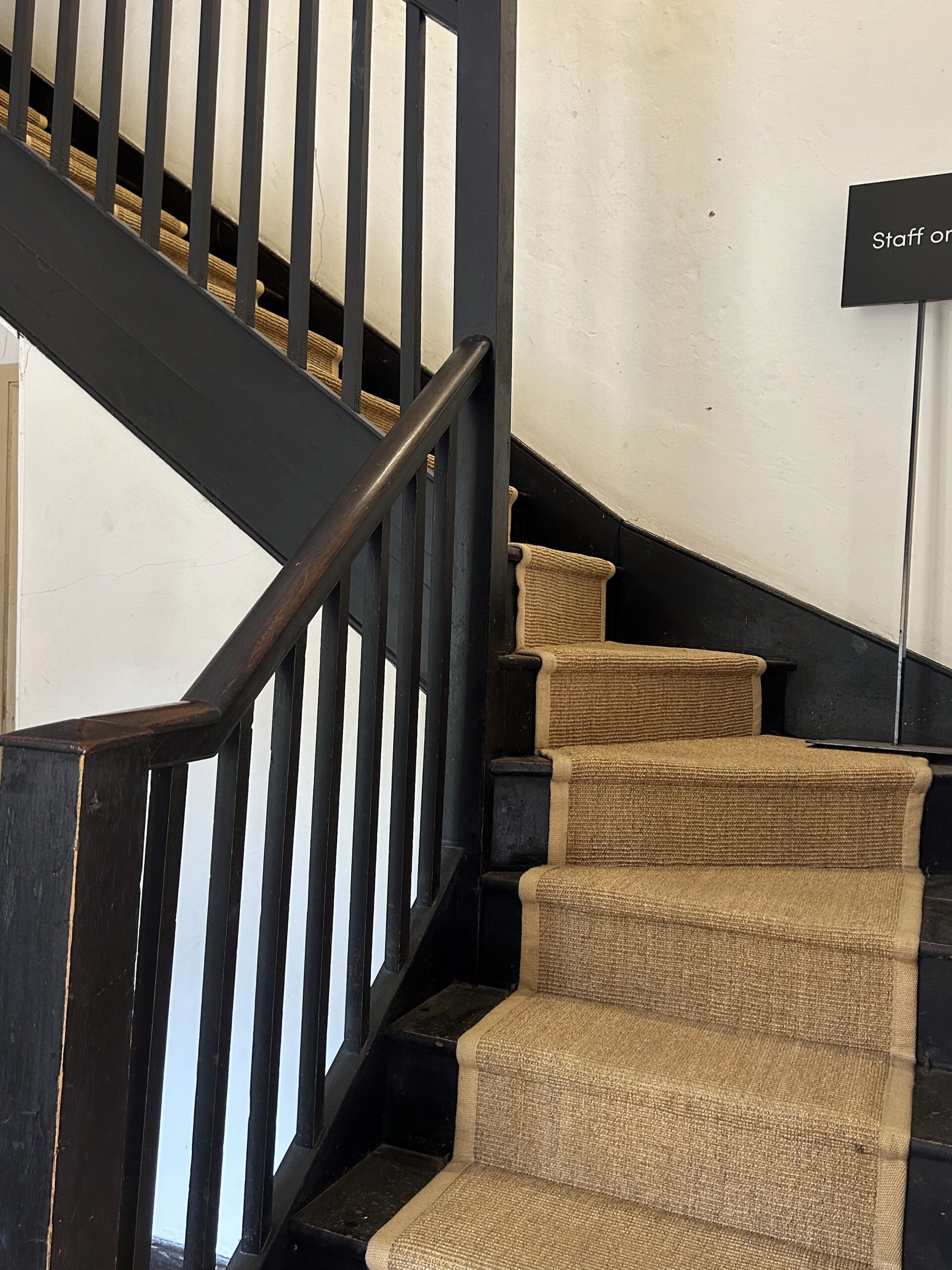
Figure 15. Original photograph taken by author (2026)
Stage 2 HSIE curriculum mapping
Curriculum Mapping- Elizabeth Farm Site Study
| Stage 2 Outcome | Connection to the virtual site study |
|---|---|
| HS2-HIS-01 | Students investigate colonial life through photographs, historical features and the 360 tour od Elizabeth Farm. |
| HS2-ACH-01 | Students explore Dharug connections to Country and consider how colonisation affected the Parramatta area, supported by appropriate Aboriginal perspectives and sources. |
Adapted from NESA 2024)