

Pedagogical approach to historical inquiry
This virtual site study uses research-informed teaching approaches to support Stage 2 History learning, aligned with the NSW HSIE K–6 Syllabus (2024).
Through inquiry-based learning, constructivism and historical source analysis, students actively investigate life at Elizabeth Farm. These approaches encourage critical thinking, collaboration and an understanding of different historical perspectives, including those of Dharug people.
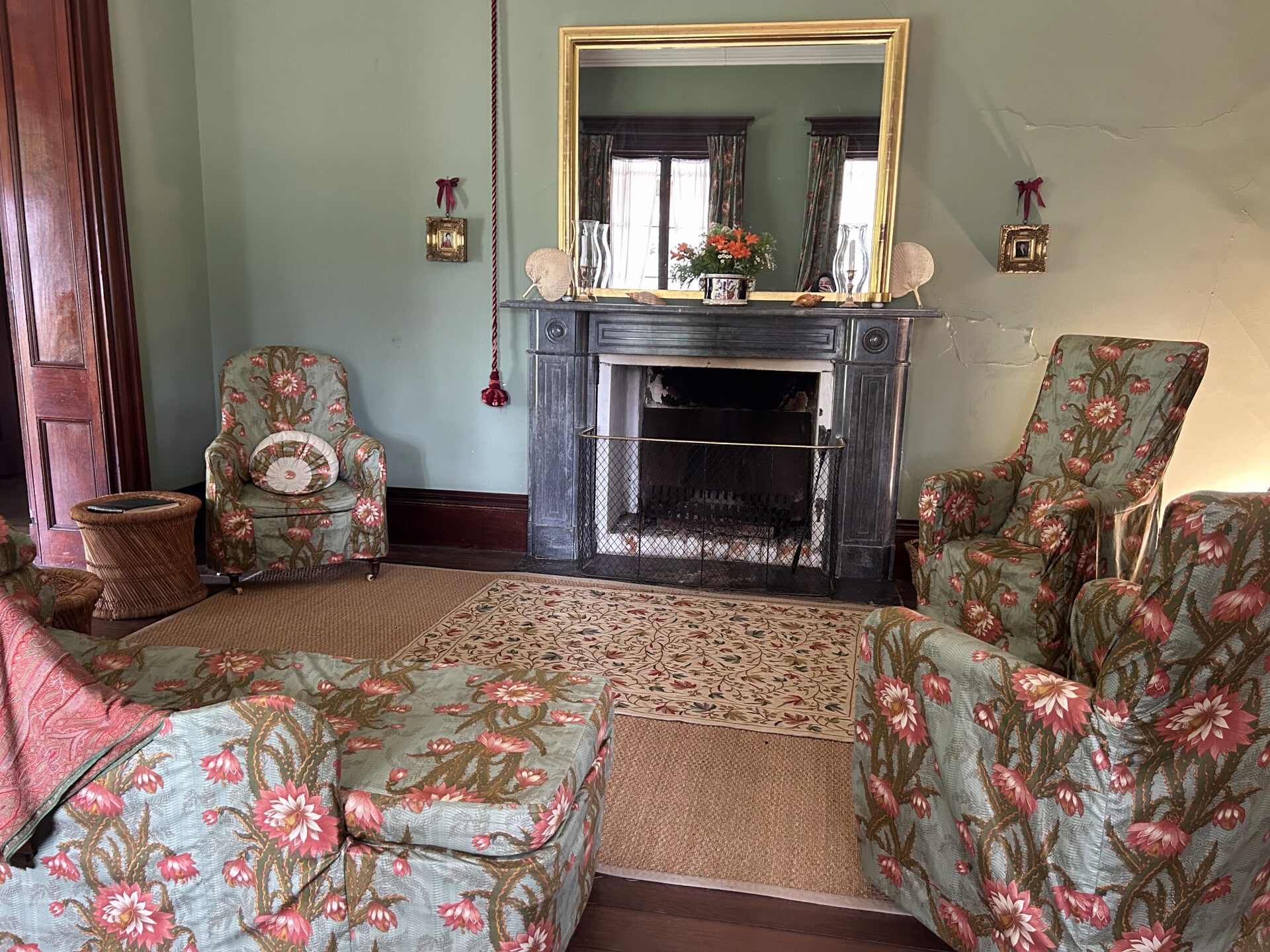
Inquiry-based learning and constructivist exploration
Inquiry-based learning encourages Stage 2 students to become active investigators rather than passive recipients of historical information. Constructivist approaches support students in building new knowledge through exploration, questioning and connections to their existing understanding (Bruner, 1961; Murdoch, 2015).
Through the interactive 360° tour and original photographs taken at Elizabeth Farm, students investigate historical evidence, identify clues and compare different perspectives of colonial life. These experiences encourage critical thinking and support the development of historical inquiry skills aligned with HS2-HIS-01.
Figure 19. Original photograph taken by author (2026)
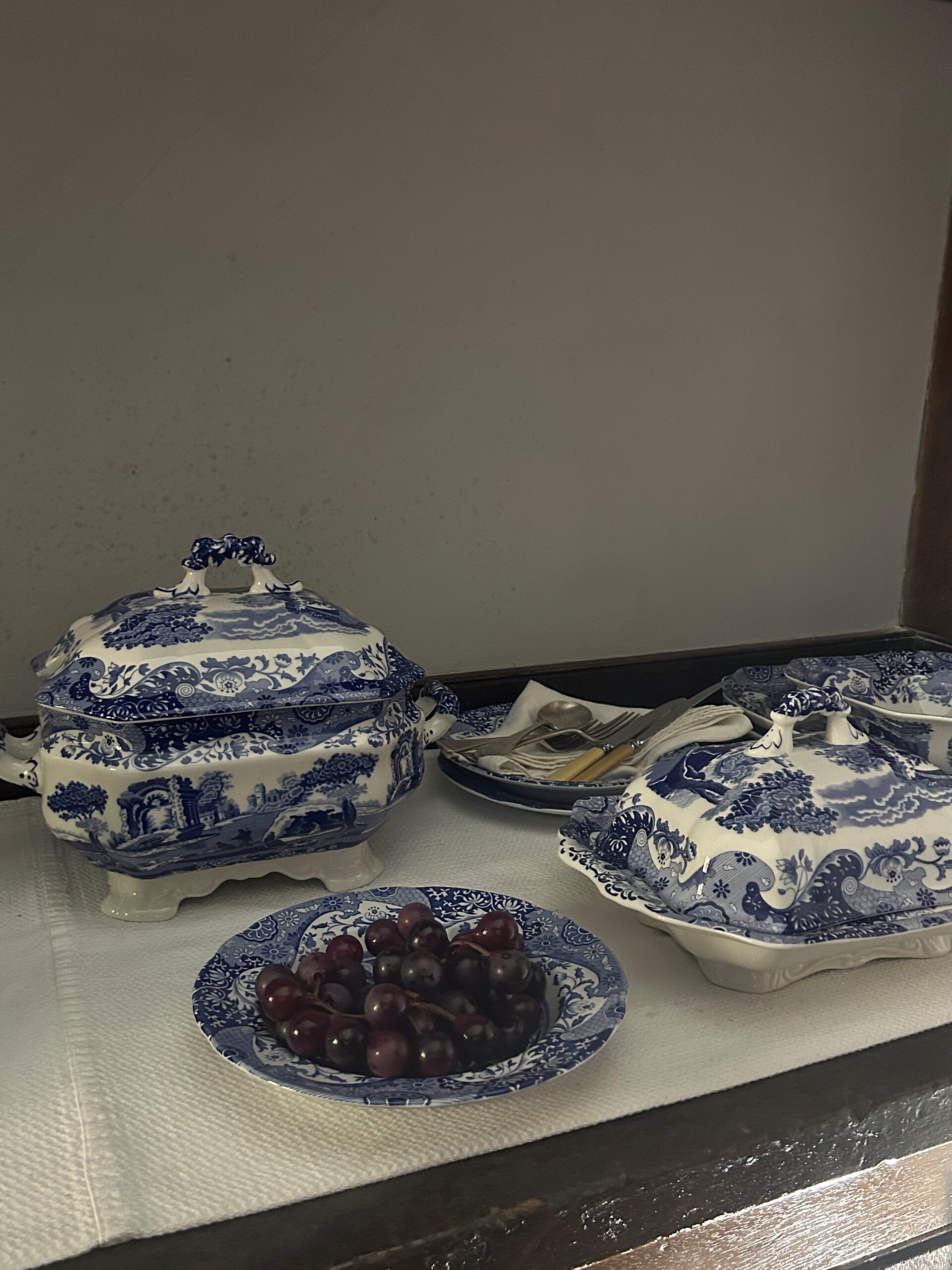
Historical thinking and multi-perspective analysis
Historical thinking encourages students to examine evidence, recognise different perspectives and develop informed understandings of the past (Seixas & Morton, 2013).
Exploring these perspectives helps students understand that historical experiences were not the same for everyone. This approach supports critical thinking, empathy and an understanding of different historical viewpoints (Barton & Levstik, 2004).
Figure 20. Original photograph taken by author (2026)
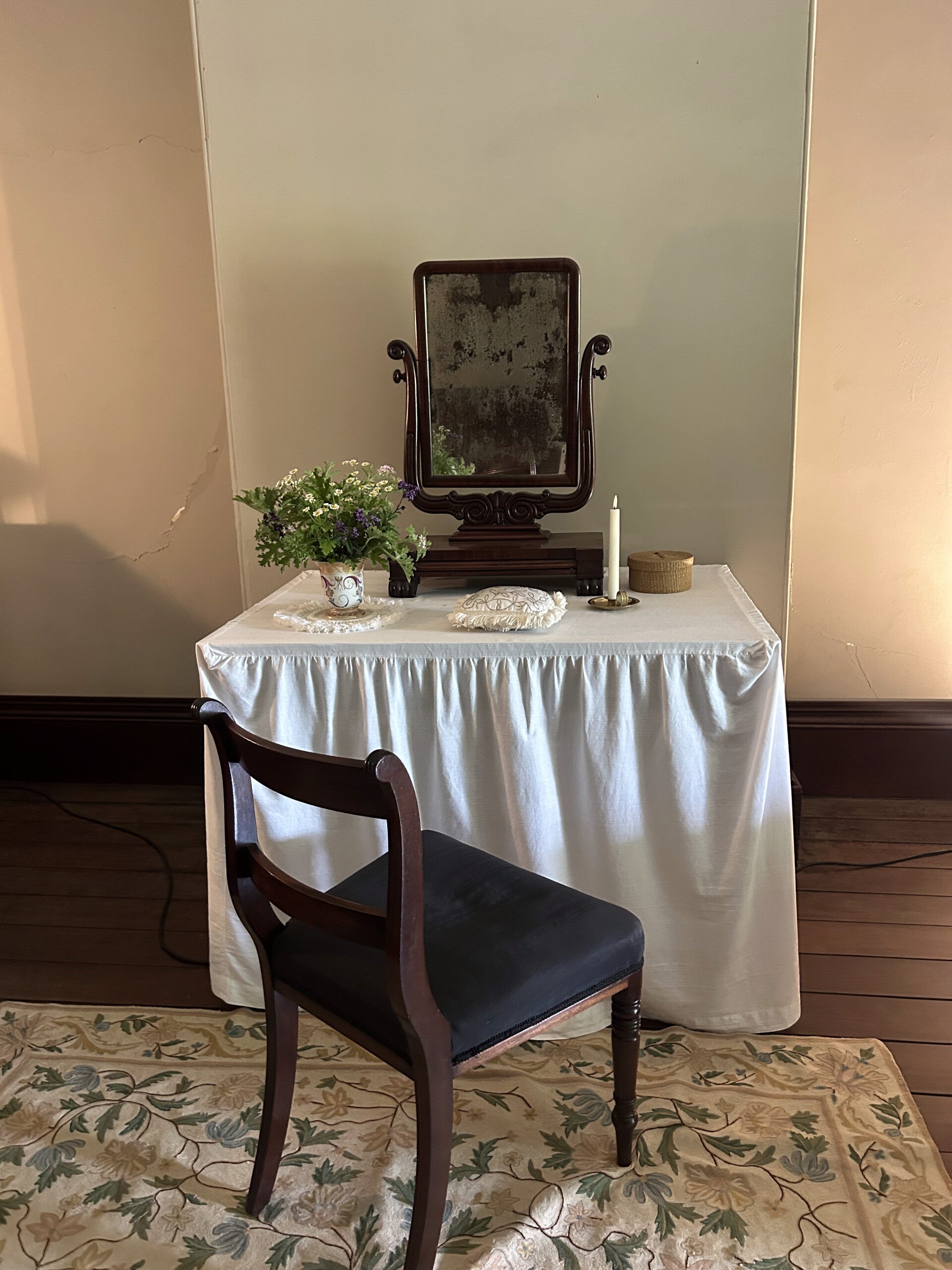
Historical Thinking and Multi-Perspective Analysis
Historical thinking encourages students to examine evidence, recognise different perspectives and develop informed understandings of the past (Seixas & Morton, 2013).
Through guided historical inquiry, teachers support students in analysing photographs, interpreting historical sources and comparing the experiences of the Macarthur family, convict workers and servants at Elizabeth Farm. Students also explore Dharug people’s continuing connection to Country and the impacts of colonisation.
By encouraging discussion, questioning and evidence-based explanations, this approach develops critical thinking and helps students recognise that people experience historical events differently (Barton & Levstik, 2004).
Figure 21. Original photograph taken by author (2026)