

Teacher resources and site study toolkit
Equip your Stage 2 classroom with practical teaching sequences, assessment tools, and inquiry resources designed for the NSW HSIE K–6 Syllabus (2024). Explore life in colonial Parramatta and examine Aboriginal Peoples' enduring connections to Country through primary historical sources.
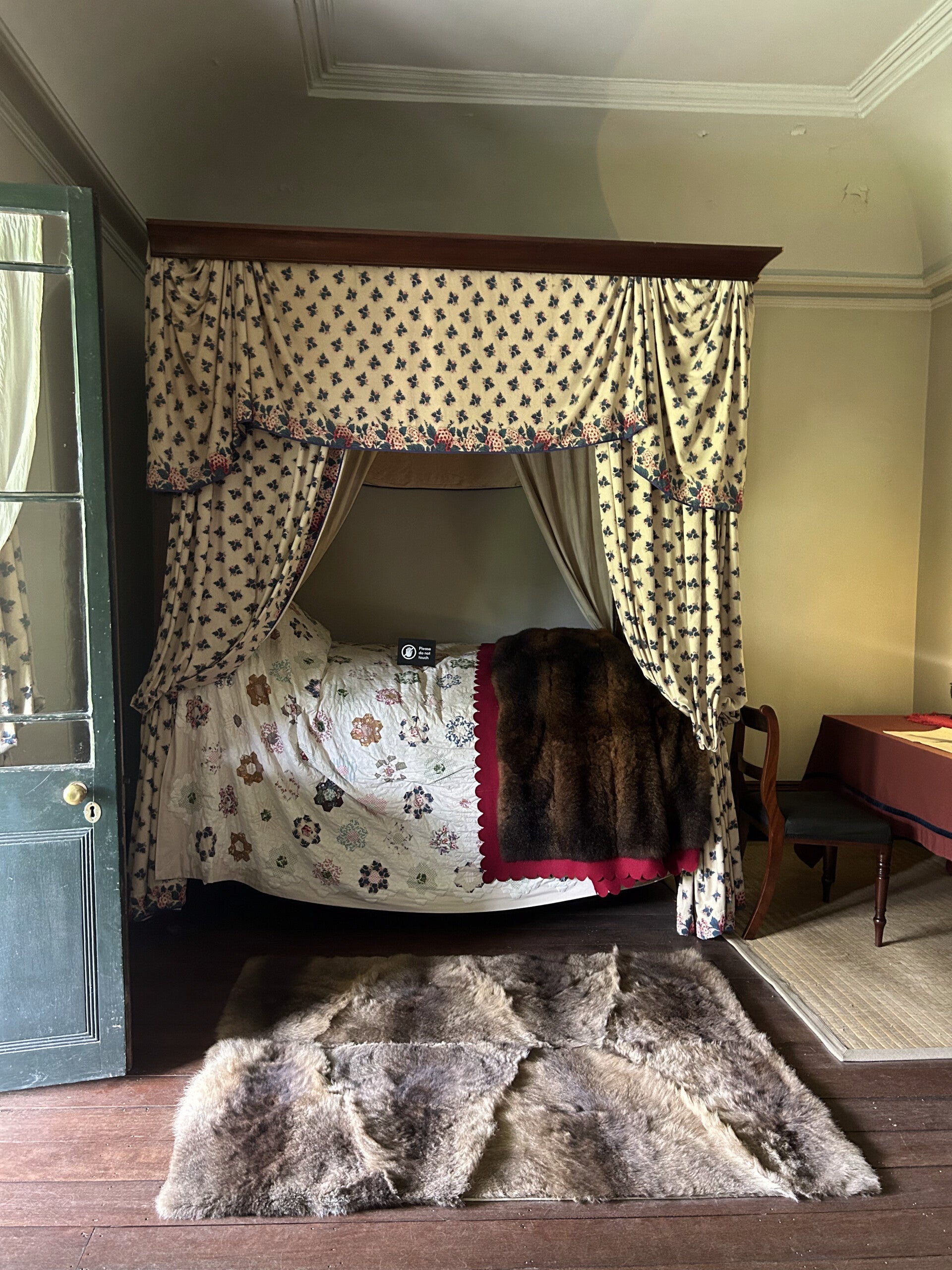
Elizabeth Farm Historical Artefact Investigation
Historical Artefact Investigation
Explore how historical objects reveal clues about life in colonial Australia.
Museums of History NSW provides printable artefact picture cards, sorting activities and a Sources of Evidence worksheet suitable for Stage 2 students.
These resources complement our Elizabeth Farm virtual site study by developing historical inquiry and source-analysis skills.
Access the worksheets: https://mhnsw.au/learning/artefact-analysis/
Source: Museums of History NSW (n.d.).
Figure 16. Original photograph taken by author (2026)
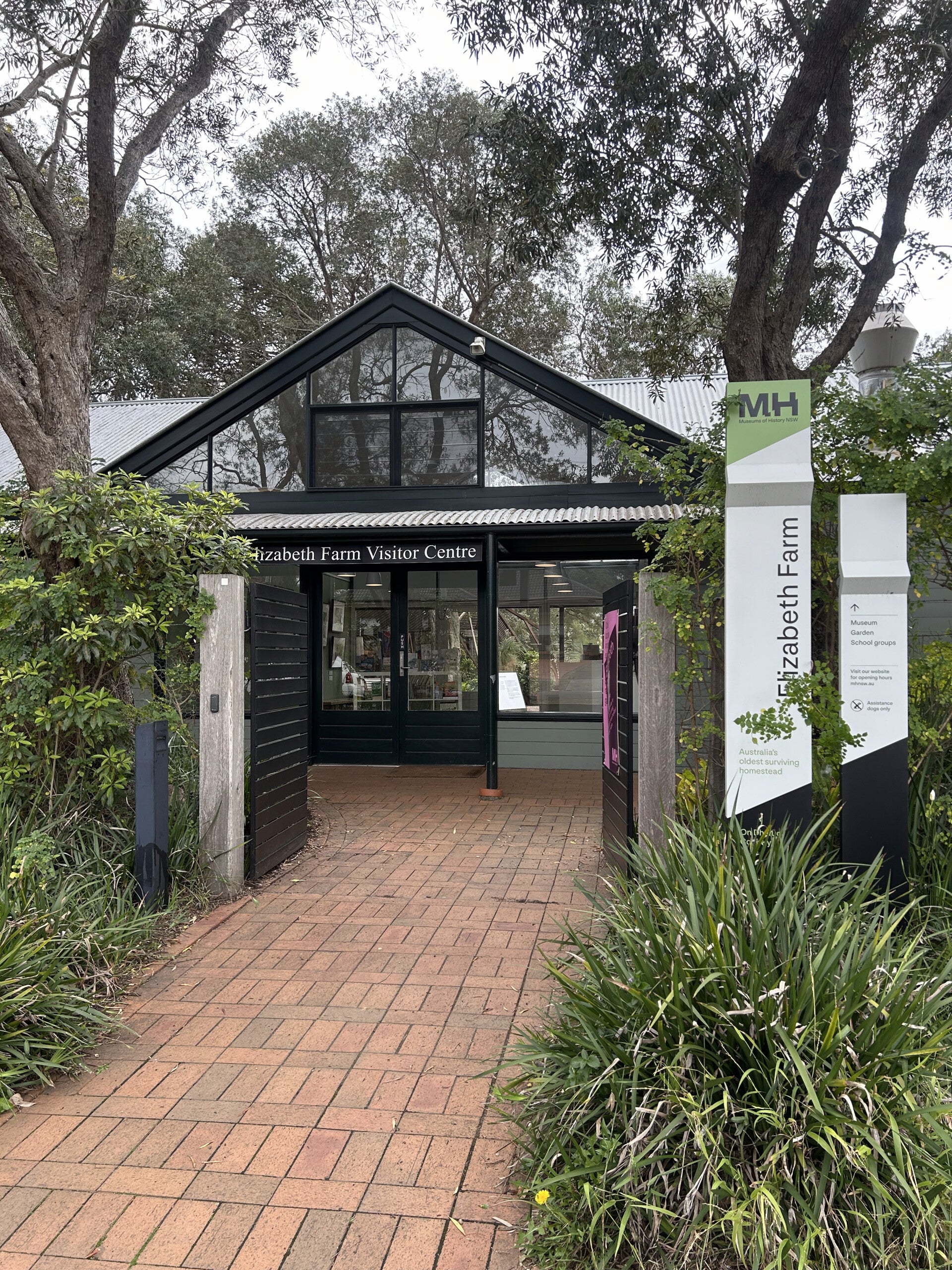
Video Resource: Growing up on Elizabeth Farm
Discover what childhood was like at Elizabeth Farm through this historical video from Museums of History NSW.
Curator Scott Hill explores the lives of the Macarthur children, providing valuable insights into family life in colonial Australia.
This resource supports Stage 2 students in investigating historical perspectives and comparing life in the past with the present.
Watch the video: https://mhnsw.au/stories/general/growing-elizabeth-farm/
Source: Museums of History NSW (2020).
Figure 17. Original Photograph taken by author (2026)
Fieldwork planning and risk management
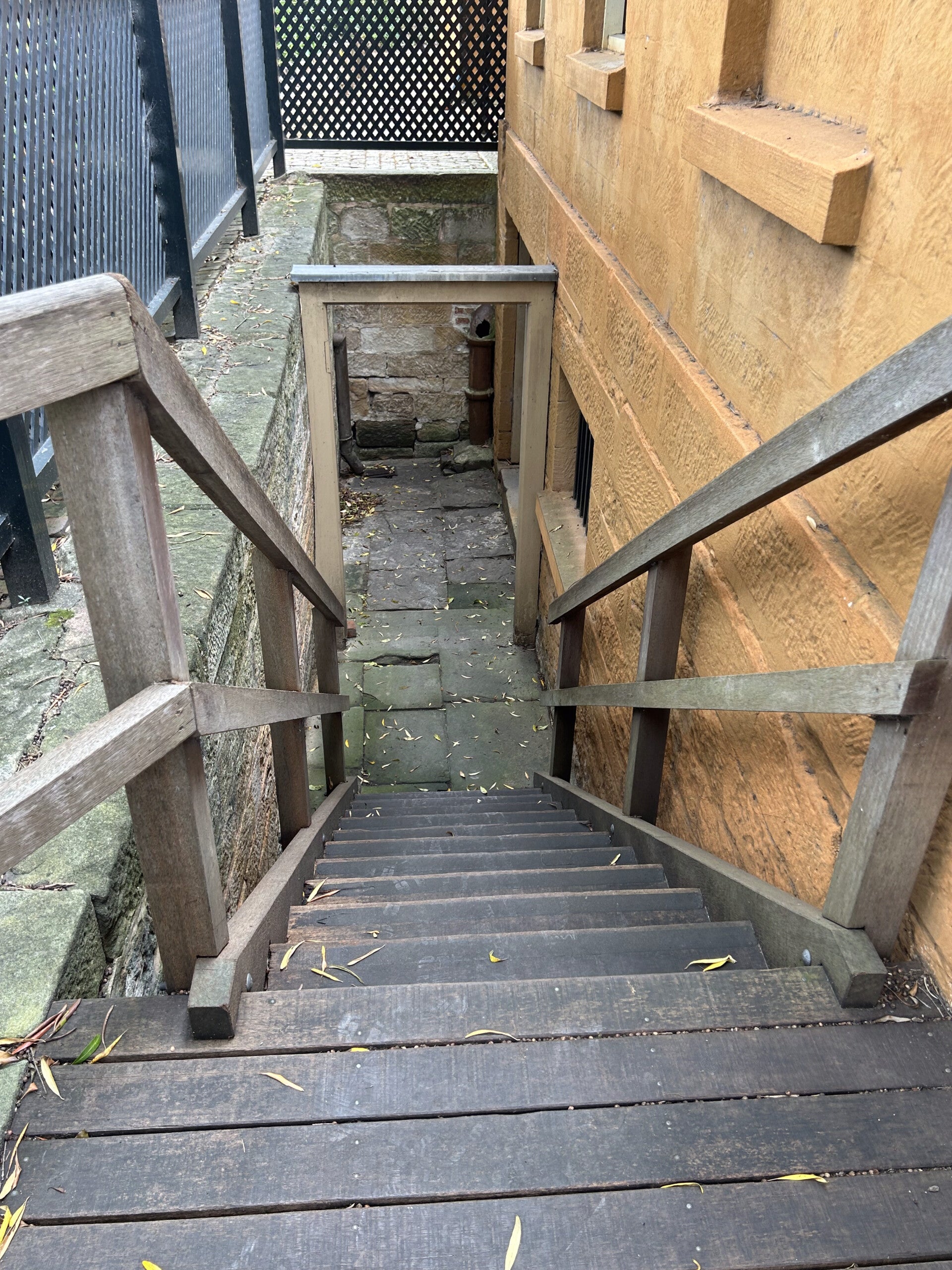
During my site visit to Elizabeth Farm, I identified several potential hazards that should be considered when planning a Stage 2 excursion. Appropriate risk management is essential to ensure student safety and accessibility.
1. Steep Staircases and Uneven Surfaces — High Risk
The historic wooden staircase at Elizabeth Farm presents a potential risk of slips, trips and falls. Students should be closely supervised, instructed to walk carefully and encouraged to use handrails. Accessibility arrangements should be confirmed with site staff before visiting.
2. Weather and Sun Exposure — Medium Risk
Outdoor areas may expose students to heat and direct sunlight. Teachers should ensure students have adequate water, appropriate sun protection and access to shaded rest areas.
3. Student Supervision — Medium Risk
Students may become separated while exploring the property. Teachers should establish clear boundaries, conduct regular headcounts and maintain appropriate supervision throughout the excursion.
4. Historical Objects and Displays — Medium Risk
Heritage items may be fragile or unsuitable for handling. Students should receive clear instructions about museum rules and be supervised around historical displays.
Planning Considerations
Teachers should consult Elizabeth Farm staff, review the museum’s official risk assessment and follow school excursion policies before organising a physical visit. The risk levels above are preliminary and should be reviewed according to actual conditions.
Figure 18. Original photograph taken by author (2026)
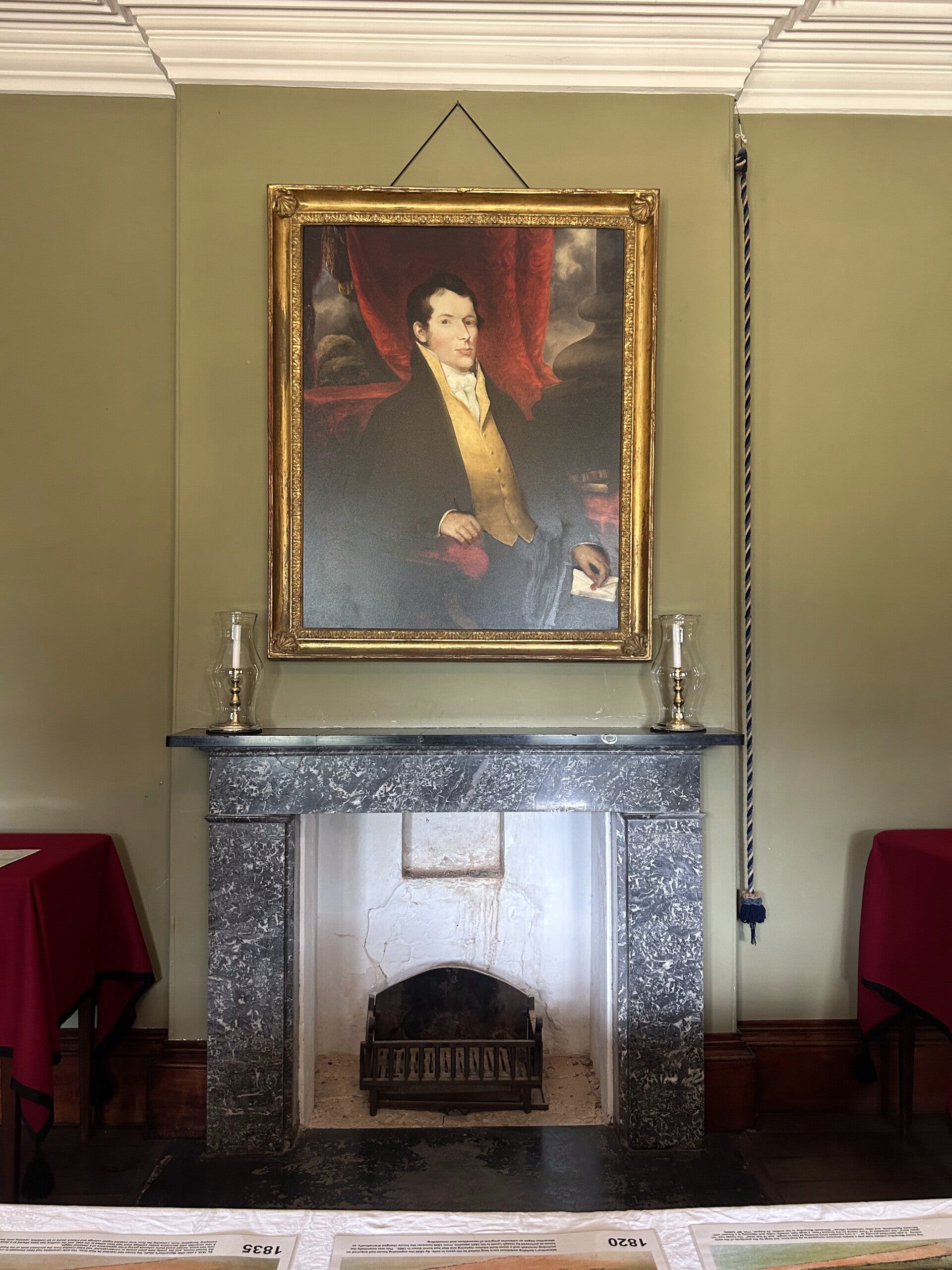
Differentiation and Inclusive Teaching Strategies
The Elizabeth Farm virtual site study supports diverse learning needs through flexible, student-centred teaching strategies.
Visual Support: Original photographs, historical objects and the interactive 360° tour help students explore historical concepts visually.
Literacy Support: Teachers can introduce key historical vocabulary, provide sentence starters and simplify instructions for students requiring additional assistance.
Collaborative Learning: Pair and small-group discussions allow students to share observations, develop confidence and learn from their peers.
Extension Opportunities: Students requiring additional challenge can compare different historical perspectives and justify their conclusions using evidence.
Accessibility: Teachers can provide guided exploration, alternative ways to access visual information and opportunities for students to demonstrate understanding through written, verbal or visual responses.
These strategies promote inclusive participation and allow students with different abilities and learning needs to engage meaningfully in historical inquiry.